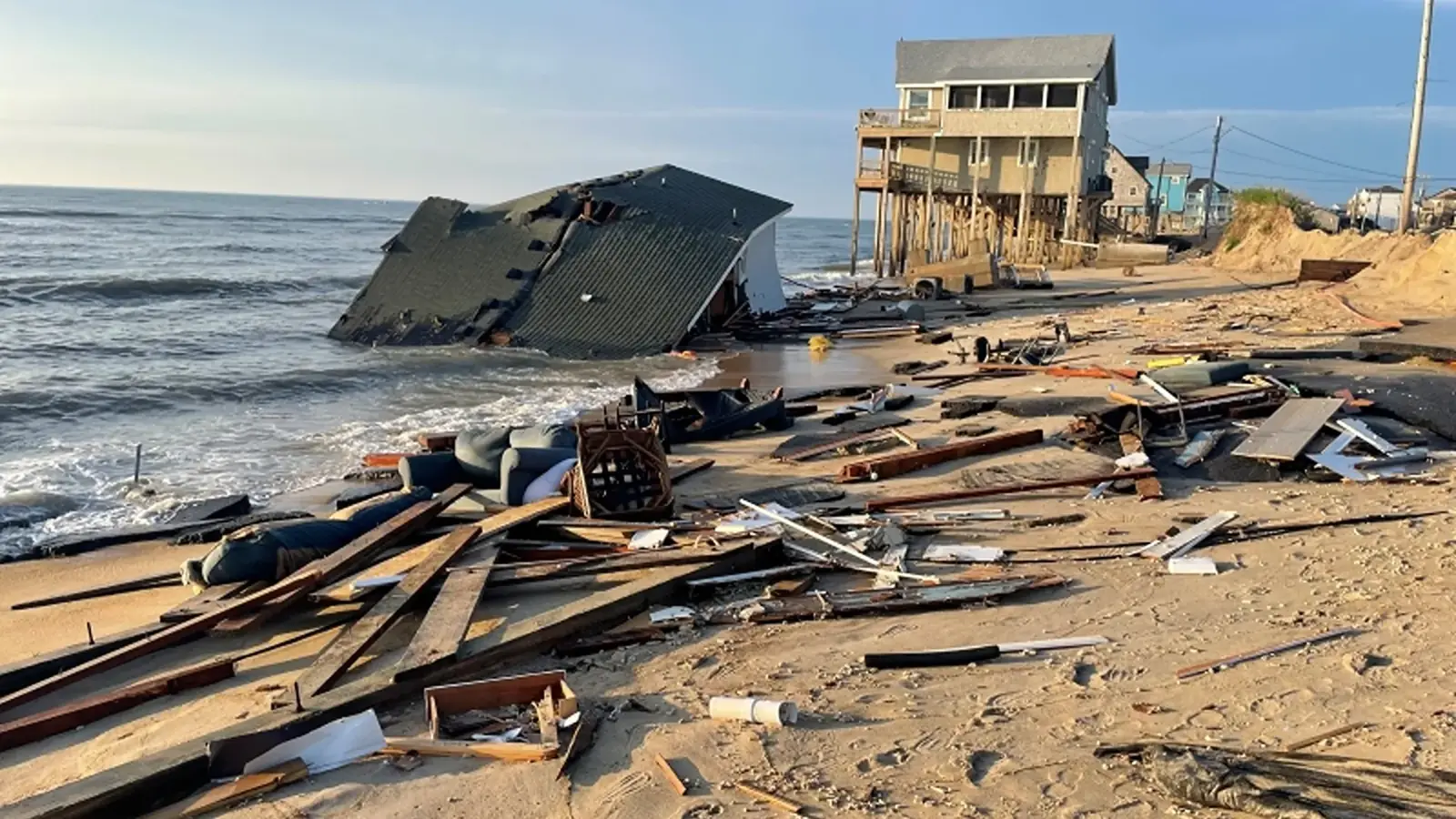
Analysis of Common Beach House Maintenance Mistakes
Marine property ownership entails continuous exposure to aggressive environmental degradation factors, including salt aerosols, moisture fluctuations, and intense ultraviolet radiation. Property custodians often fail to recognize that traditional suburban maintenance schedules are entirely inadequate for shoreline structures. Ignoring specialized material care leads to rapid structural deterioration, mechanical failures, and exorbitant repair expenditures. Sustaining a coastal asset requires shifting from reactive repairs to proactive preventive engineering.
Property managers, structural engineers, and building envelope consultants must collaborate to establish rigorous upkeep protocols. Standard painting, cleaning, and sealing methods frequently break down under heavy maritime stress. Advanced asset protection relies on understanding microclimate variables, electrochemical corrosion rates, and wood degradation cycles. This guide examines the structural oversights, financial traps, and operational missteps that compromise coastal real estate longevity.
Mitigating coastal decay involves evaluating complex trade-offs across chemical, structural, and budgetary domains. Owners cannot simply apply generic hardware replacements without risking galvanic reactions or premature fastener shear. Comprehensive preservation frameworks integrate continuous inspection routines, environmental monitoring, and targeted material upgrades. This analysis details the systemic errors, financial models, and governance strategies necessary for successful long-term beach house stewardship.
Understanding “common beach house maintenance mistakes”
The phrase common beach house maintenance mistakes represents a critical area of study for asset managers, forensic engineers, and coastal homeowners. Observers often view these errors as minor cosmetic oversights like peeling paint or dusty window panes. This superficial perspective ignores the complex electrochemical reactions and structural load shifts that undermine neglected buildings. True mastery requires recognizing that small deferred maintenance tasks compound into major structural failures in marine environments.
The Oversimplification Trap
Many property owners assume that washing exterior walls once a year provides sufficient protection against salt accumulation. Rainwater lacks the volume and chemical composition needed to dissolve embedded chloride ions trapped in porous siding materials. Engineers must specify scheduled freshwater rinse cycles combined with alkaline neutralizing agents. Neglecting this multi-step cleaning process accelerates metal oxidation and coating delamination.
Multi-Perspective Maintenance Evaluation
Forensic engineers, general contractors, and insurance adjusters evaluate property upkeep failures through distinct operational lenses. Forensic engineers analyze moisture intrusion paths, structural deflection rates, and fastener pull-out capacities. General contractors calculate labor hours, material compatibility limits, and replacement costs. Insurance adjusters review maintenance logs to determine claim eligibility following storm events. Successfully identifying common beach house maintenance mistakes demands reconciling these competing operational perspectives into cohesive asset management audits.
Deep Contextual Background
Coastal property upkeep evolved from improvised seasonal touch-ups into rigorous facility management science. Early maritime builders relied on simple linseed oil coatings and basic timber replacement to manage rot. Experience proved that traditional suburban maintenance models failed to address aggressive salt spray and high-humidity decay. This hard lesson drove the historic shift toward engineered corrosion control and structured asset preservation programs.
Modern real estate markets transformed shoreline property management standards dramatically. Following decades of escalating repair costs and strict building code enforcement, property owners sought systematic ways to protect capital investments. Authorities abandoned casual upkeep practices in favor of mandatory inspection milestones. Maintenance methodologies adapted by integrating digital asset tracking, automated wash systems, and specialized marine-grade restoration protocols.
Conceptual Frameworks and Mental Models
The Cumulative Decay Multiplier Model
Coastal degradation does not proceed at a linear rate; it accelerates exponentially once protective barriers fail. The cumulative decay model tracks how a single unsealed fastener or cracked paint seam lets in moisture, triggering rust jacking that lifts surrounding coatings. Any delay in addressing minor surface blemishes multiplies final repair expenditures. Planners evaluate property health using aggressive inspection intervals to catch flaws early.
The Material Compatibility Hierarchy
Marine environments punish assemblies built with mixed metallic or chemical components. The material compatibility model categorizes how dissimilar materials react when exposed to conductive salt water electrolytes. Fastening carbon steel screws into aluminum framing plates creates rapid galvanic corrosion and structural failure. Designers align all hardware selections to maintain metallurgical harmony.
The Deferred Maintenance Financial Model
Postponing routine upkeep tasks to save short-term capital inevitably generates massive long-term liabilities. This model calculates the exponential cost growth between preventative washing and complete structural replacement. Regulatory agencies and lenders implement strict asset condition audits to prevent value erosion. Ignoring this paradigm leads to sudden loss of insurability and severe equity depreciation.
Key Categories or Variations
Selecting an effective maintenance approach requires comparing upkeep strategies against environmental constraints and labor limits. Different operational typologies provide distinct risk trade-offs.
Reactive Break-Fix Maintenance Management
Waiting for building components to fail completely before dispatching repair contractors to the site.
-
Advantages: Zero upfront planning overhead, minimal spending during calm operational periods.
-
Trade-offs: Extremely high emergency labor rates, severe secondary damage to surrounding structures.
Scheduled Calendar-Based Upkeep Routines
Executing fixed maintenance tasks at strict calendar intervals regardless of actual environmental exposure levels.
-
Advantages: Predictable annual budgeting, consistent administrative tracking.
-
Trade-offs: Wastes resources on unneeded tasks during mild seasons while missing weather-driven emergencies.
Condition-Based Monitoring Programs
Deploying environmental sensors and visual inspections to trigger maintenance actions based on actual wear data.
-
Advantages: Optimal resource allocation, prevents catastrophic failures before they manifest.
-
Trade-offs: High initial setup costs for monitoring equipment, requires specialized technical oversight.
Outsourced Professional Facility Management
Hiring dedicated property management firms to oversee all coastal upkeep, inspections, and contractor repairs.
-
Advantages: Complete hands-off ownership experience, professional vendor networks.
-
Trade-offs: Substantial recurring management fees, loss of direct oversight over workmanship quality.
DIY Owner-Managed Upkeep Operations
Relying entirely on the property owner to perform weekend cleaning, painting, and minor hardware repairs.
-
Advantages: Lowest direct financial outlay, intimate personal knowledge of property conditions.
-
Trade-offs: High physical demand, potential safety risks on high elevations, inconsistent execution.
Phased Capital Reserve Allocation
Setting aside fixed monthly funds into a dedicated escrow account specifically for major marine restoration projects.
-
Advantages: Eliminates sudden financial shocks when major systems like roofs or pilings require replacement.
-
Trade-offs: Ties up liquid capital that could otherwise be deployed elsewhere.
Decision Logic for Category Selection
Choosing a specific maintenance governance archetype begins with assessing owner proximity and technical expertise. Absentee owners with high-value portfolios require professional facility management combined with condition-based monitoring. Local owners with mechanical aptitude can successfully execute condition-based upkeep using phased reserve accounts. Budget boundaries then narrow choices between full outsourcing and disciplined self-management.
Detailed Real-World Scenarios
Scenario One: Neglecting Exterior Fastener Inspection
An absentee owner fails to inspect exterior deck ledger fasteners for five consecutive years in a high-salt microclimate.
-
Constraints: High atmospheric chloride deposition, hidden structural connection points, heavy visitor traffic.
-
Decision Points: Commissioning a forensic engineering audit; replacing all carbon steel lag bolts with 316 stainless steel hardware.
-
Failure Modes: Rusted fasteners shear silently under a group of guests, causing a catastrophic deck collapse.
-
Second-Order Effects: Litigation and emergency reconstruction costs exceed the total property valuation, forcing a distressed sale.
Scenario Two: Improper Paint Application Over Salt Residue
A property manager paints over exterior wood siding without washing off accumulated salt crystals first.
-
Constraints: Tight holiday rental turnaround schedule, high relative humidity, active marine salt spray.
-
Decision Points: Stripping the failing paint layers down to bare wood; pressure washing with a neutralizing solution before repriming.
-
Failure Modes: Trapped salt crystals draw moisture through the new paint film, causing widespread blistering within months.
-
Second-Order Effects: Premature paint failure destroys curb appeal, forcing an expensive second round of professional remediation.
Scenario Three: Ignoring Sump Pump Maintenance in Coastal Basins
A beach house owner forgets to test the electrical backup system on the ground-level crawlspace sump pump.
-
Constraints: High water table, seasonal heavy rain events, unattended property status during winter.
-
Decision Points: Installing a dual-diaphragm pump with an automatic cellular alarm dialer and deep-cycle battery backup.
-
Failure Modes: A major storm knocks out grid power; the dead battery allows floodwaters to submerge the lower utility room.
-
Second-Order Effects: Submerged HVAC compressors and electrical panels burn out upon power restoration, requiring full equipment replacement.
Scenario Four: Failing to Flush HVAC Coils Regularly
A coastal rental operator skips routine freshwater rinsing of the central air conditioning condenser coils.
-
Constraints: Continuous cooling demand, aggressive salt fog environment, limited maintenance budget.
-
Decision Points: Upgrading to electro-coated copper coils; implementing a strict monthly freshwater wash schedule.
-
Failure Modes: Salt crust bridges electrical terminals inside the condensing unit, causing an electrical short circuit during peak summer.
-
Second-Order Effects: Emergency service calls during peak rental season alienate guests and generate negative online reviews.
Planning, Cost, and Resource Dynamics
Executing proper coastal maintenance programs demands granular financial planning. Direct expenditures encompass specialized marine-grade coatings, stainless steel fasteners, freshwater washing equipment, and certified trade labor. Indirect expenses involve environmental disposal fees, scaffold rental permits, engineering inspection fees, and property insurance premium variances.
Opportunity costs manifest through critical maintenance compromises. Allocating capital toward cosmetic interior updates while neglecting exterior structural framing increases the risk of catastrophic asset failure. Similarly, investing in cheap standard hardware saves immediate cash while generating exponential long-term replacement expenses.
Tools, Strategies, and Support Systems
Executing effective coastal maintenance requires specialized technical instruments, tracking software, and professional contractor networks.
-
Digital maintenance tracking applications schedule recurring upkeep tasks and archive contractor invoices.
-
Moisture meter diagnostic tools detect hidden water intrusion behind interior drywall and insulation layers.
-
Dry film thickness gauges verify proper coating application levels during exterior painting projects.
-
Ultrasonic metal thickness detectors measure structural steel pipe and piling wall thinning rates.
-
Infrared thermal imaging cameras identify electrical resistance heating caused by salt-corroded terminal blocks.
-
Bresle patch chloride test kits measure residual surface salt contamination levels prior to repainting.
-
Automated cellular water sensors alert property owners instantly to plumbing leaks or flood events.
-
Professional marine contractor directories provide vetted local specialists for specialized structural repairs.
Risk Landscape and Failure Modes
Coastal maintenance errors compound rapidly when individual oversight failures cascade sequentially. An unsealed window frame lets in minor moisture, which goes unnoticed, rotting the wooden structural header and inviting wood-boring insects that ultimately destabilize the upper wall assembly. Managing these hazards requires identifying primary vulnerability points across the entire property life cycle.
Governance, Maintenance, and Long-Term Adaptation
Preserving coastal real estate assets demands rigorous adherence to scheduled inspection routines. Property custodians must monitor building envelopes for hairline cracking, sealant degradation, and fastener corrosion. Exterior wood surfaces require periodic cleaning and protective oil applications to prevent UV checking and moisture absorption.
Layered Maintenance Checklist
-
Semi-Annual: Flush HVAC condenser coils with fresh water; test sump pump battery backups.
-
Annual: Inspect deck ledger connections for corrosion; check window and door caulking seals.
-
Post-Storm: Survey roof shingle and metal panel integrity; verify exterior siding fastener tightness.
Measurement, Tracking, and Evaluation
Evaluating long-term maintenance program performance involves monitoring both leading and lagging indicators. Leading metrics include scheduled task completion rates, moisture meter log readings, and annual coating adhesion test results. Lagging metrics encompass emergency repair expenditure totals, insurance claim frequencies, and independent property appraisal valuation trends over time.
Documentation serves as the backbone of asset management. Custodians should maintain secure digital archives containing contractor service reports, engineering evaluations, product warranties, and maintenance logs. This repository streamlines property tax assessments, simplifies future refinancing applications, and satisfies insurance underwriting audits.
Common Misconceptions and Oversimplifications
-
Myth: Standard household paint provides adequate protection against marine salt air.
-
Correction: Standard paint is too porous for coastal environments; marine assets require high-performance fluoropolymer or epoxy coating systems.
-
-
Myth: Rinsing a beach house with a garden hose once a year removes all damaging salt.
-
Correction: Annual rinsing leaves embedded chloride ions untouched; frequent, high-pressure freshwater washing is required.
-
-
Myth: Stainless steel fasteners never corrode in coastal air.
-
Correction: Lower-grade stainless steels pit and stain rapidly in salt spray; marine applications demand 316 alloy specifications.
-
-
Myth: Indoor spaces are completely safe from marine humidity and salt damage.
-
Correction: Unfiltered coastal air circulates indoors, corroding appliance coils and electronic circuit boards rapidly.
-
-
Myth: Deferred maintenance saves money by postponing repair expenditures.
-
Correction: Postponing small maintenance tasks leads to exponential cost growth when minor flaws escalate into structural failures.
-
-
Myth: Wood rot is purely a moisture problem unrelated to salt content.
-
Correction: Salt accumulation accelerates wood fiber breakdown and attracts moisture, speeding up fungal decay rates.
-
Contextual Considerations and Conclusion
Managing coastal real estate demands deep respect for material science, rigorous inspection protocols, and uncompromising operational discipline. Upkeep strategies must transcend short-term cosmetic fixes to prioritize metallurgical compatibility, moisture defense, and scheduled preventative care. By approaching property stewardship through an analytical framework, owners establish lasting structural resilience against harsh marine environments.