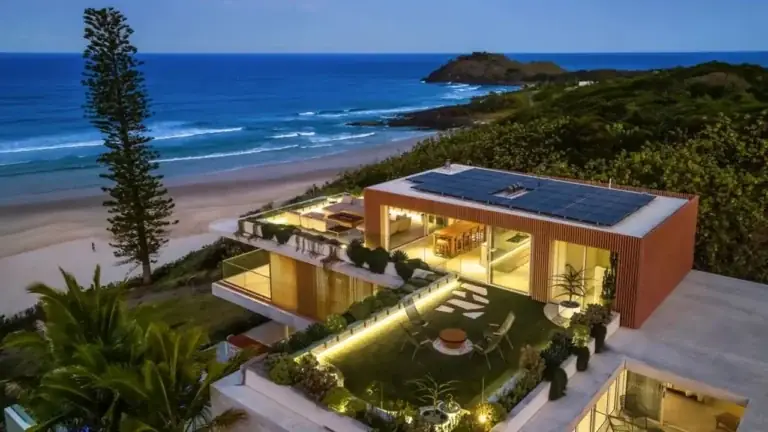
Best Waterfront Home Options: Real Estate Analysis & Coastal Property Insights
Waterfront residential acquisition represents a complex intersection of environmental dynamics, structural civil engineering, and long-term asset management. Property buyers frequently evaluate shoreline estates based on initial aesthetic impression, panoramic sightlines, and immediate lifestyle appeal. However, real estate positioned at the edge of natural water systems operates under ongoing ecological and physical pressures. Tidal variations, wave action, sediment drift, high humidity, and shifting water tables continuously alter the physical boundaries and structural health of riparian and coastal land.
Evaluating waterfront real estate requires moving past traditional inland appraisal metrics. Standard property valuation methods rely heavily on square footage, interior finishes, and surrounding neighborhood comparisons. In contrast, waterfront site viability depends on hydraulic forces, littoral rights, seawall integrity, flood zone classifications, and strict zoning setbacks. A property that appears flawless during dry summer months can reveal severe drainage vulnerabilities, structural erosion, or uninsurable environmental liabilities during winter weather events or high spring tides.
Identifying optimal aquatic real estate requires a systemic framework that balances physical durability against regulatory exposure and financial liabilities. Coastal frontage, freshwater lake shorelines, riverbanks, and tidal canals each present distinct engineering constraints and maintenance obligations. Understanding how these water environments interact with residential architecture ensures that buyers make sound, long-term capital investments.
This comprehensive analysis examines the structural variables, site dynamics, financial models, and regulatory environments that dictate long-term success in waterfront property ownership. By dissecting the underlying physical and economic realities of shoreline architecture, investors, property owners, and planners can evaluate real estate opportunities with complete clarity and technical precision.
Understanding “best waterfront home options”
Core Definitions and Scope
Determining the best waterfront home options requires establishing a rigorous definition that spans structural, environmental, and legal domains. True high-performance waterfront real estate must offer more than immediate proximity to water. High-value property options integrate resilient structural engineering, legal water access, protective shoreline stabilization, and manageable insurance exposure within a durable physical shell.
Multi-Perspective Analysis
Evaluating shoreline real estate demands analyzing properties across four distinct structural perspectives:
The Hydrodynamic Vector
Environmental scientists assess properties based on soil composition, erosion rates, sediment transport, and vulnerability to storm surges or high seasonal flow rates.
The Regulatory and Rights Vector
Real estate attorneys examine riparian rights, littoral access, dock permitting limits, conservation buffers, and public trust doctrines that restrict private land usage along navigable waterways.
The Architectural Engineering Vector
Civil and structural engineers analyze foundation pile depths, structural shear bracing, corrosion-resistant hardware, foundation flood vents, and elevated mechanical systems.
The Financial and Insurability Vector
Actuaries and underwriters calculate risk based on FEMA flood maps, historically changing high-water marks, coastal barrier resource zones, and long-term property maintenance reserves.
Structural Performance Variables
Evaluating property viability requires assessing how water bodies interact with shorelines under varying weather conditions.
Risk of Oversimplification
Focusing entirely on scenic views while ignoring site hydraulics exposes property owners to sudden structural damage and massive financial liabilities. Unprepared buyers often overlook decaying bulkheads, seasonal water table spikes, and restrictive environmental overlay zones that prohibit shoreline renovations or emergency dock repairs.
Deep Contextual Background
Historical Evolution of Coastal and Shoreline Settlement
Human settlement patterns along shorelines have evolved from utility-driven commercial hubs into high-value residential real estate. Historically, riverbanks, natural harbors, and coastal bays served primarily as industrial nodes for maritime trade, fishing, and water-powered transport. Architectural layouts along working waterfronts prioritized durability, direct utility access, and simple, sacrificial building materials capable of surviving periodic inundation.
Modern Development Shifts
During the mid-twentieth century, expanded municipal infrastructure and regional flood control projects transformed working shorelines into prime residential communities. Developers frequently filled wetlands, straightened natural river channels, and constructed vertical concrete sea walls to maximize buildable residential density. These artificial modifications often disrupted natural drainage patterns and accelerated localized erosion along neighboring shorelines.
Environmental Policy and Regulatory Response
Rising storm damage costs and degrading aquatic habitats prompted major regulatory shifts in late-twentieth-century water policy. Laws such as the Clean Water Act and regional coastal zone management programs established protected buffers, restricted dredging operations, and limited shoreline hardening. Modern waterfront ownership operates within this complex legal environment, where private property rights intersect directly with public natural resource protections.
Conceptual Frameworks and Mental Models
The Riparian-Littoral Rights Framework
Understanding legal water access requires distinguishing between riparian and littoral rights. Riparian rights govern properties touching flowing watercourses like rivers and streams, granting landowners reasonable rights to natural water flow. Littoral rights apply to properties bordering standing water bodies like lakes, tidal bays, and oceans, focusing on access to high-water lines and dock placement.
The Energy Dissipation Spectrum Model
Shoreline stability depends on how effectively a coast absorbs or deflects aquatic kinetic energy. High-energy vertical sea walls reflect wave energy downward, scouring deep sediment from the base of the wall and accelerating structural degradation over time. Low-energy living shorelines utilize native vegetation, oyster reefs, and sloped riprap stone to gradually absorb wave impact, preserving natural land profiles.
The Foundation Sacrificial Envelope Concept
This engineering framework separates primary living enclosures from structural foundation systems exposed to floodwaters. Lower-level storage areas, open pilings, and breakaway enclosure walls function as sacrificial components designed to yield under heavy wave action. Elevating living spaces and primary utility systems above projected flood levels preserves structural integrity during high-water events.
Key Categories or Variations
Selecting optimal shoreline real estate requires matching structural designs to specific water body environments.
1. Oceanfront High-Energy Estates
Oceanfront estates face direct open-ocean wave action, hurricane-force wind loads, and intense salt-air corrosion. Building specs demand driven pile foundations, impact-rated exterior envelopes, and grade-316 stainless steel hardware assemblies.
Structural Demands
Deep timber or concrete pilings penetrate shifting sand layers to lock into dense substrate. Exterior walls require double-sealed weather barriers and specialized window flashing systems to block high-velocity, wind-driven rainwater.
Financial Exposure
Insurance coverage costs remain exceptionally high due to hurricane exposure, coastal surge risks, and strict building code updates.
2. Tidal Bay and Sound Frontage
Bayfront properties feature wide water views while avoiding the intense wave energy found along open oceanfronts. These locations offer shallow draft boat access and stable shorelines suitable for private docks.
Structural Demands
Tidal bulkheads and sloped stone riprap protect shorelines against localized wind-driven chop. Elevated stem-wall or short pile foundations raise living spaces above tidal flood surges.
Financial Exposure
Long-term maintenance focuses heavily on bulkhead integrity, channel dredging access, and routine dock pile replacement.
3. Deepwater Navigable Canal Homes
Canal homes provide sheltered deepwater vessel mooring right behind primary residences. These sites offer protection from open-water wind chop, making them ideal for maritime enthusiasts.
Structural Demands
Vertical concrete, vinyl, or steel sheet-pile bulkheads stabilize narrow canal banks. Proper tie-back anchor systems prevent bulkheads from leaning or collapsing under heavy soil loads behind the wall.
Financial Exposure
Shared canal maintenance agreements and periodic dredging costs represent primary long-term financial liabilities for canal owners.
4. Natural Freshwater Lake Shorelines
Lake homes offer calm water living, personal recreational access, and protected natural views. However, lake water levels fluctuate based on seasonal rainfall, dam releases, and watershed runoff patterns.
Structural Demands
Foundations must handle high groundwater tables and freeze-thaw cycles in northern climates. Steeper shoreline topography often requires specialized site drainage systems to prevent hillside soil erosion.
Financial Exposure
Erosion controls, dock permitting fees, and invasive aquatic weed management dominate operational budgets.
5. High-Velocity Riverfront Properties
Riverfront properties present dynamic, highly variable living environments. Seasonal flooding, strong river currents, floating debris impacts, and shifting riverbanks demand specialized civil planning.
Structural Demands
Elevated concrete piers or reinforced steel columns allow floodwaters and debris to pass beneath living spaces. Riprap armoring stabilizes bank edges against continuous river erosion.
Financial Exposure
Changing flood zone designations and unpredictable high-water events can increase insurance premiums over time.
Waterfront Category Comparison
Detailed Real-World Scenarios
Scenario A: Urban Oceanfront Barrier Island Estate
An oceanfront lot on a narrow barrier island requires comprehensive high-wind and flood-resistant engineering.
Site Constraints
Strict local zoning laws limit total building height to thirty-five feet above regional Base Flood Elevation. Oceanfront setbacks require positioning the structure far behind natural dune lines.
Design Decision Points
Architects implement a deep concrete pile foundation combined with an inverted living floor layout. Primary living spaces sit on upper levels to maximize views while garage spaces occupy ground levels.
Failure Modes and Second-Order Effects
Inadequate pile depth allows beach scour to undermine foundation supports during severe storms. The home survives structural damage, but loss of beach elevation prevents immediate post-storm re-occupancy.
Scenario B: Low-Lying Coastal Canal Residence
A canal lot features eighty feet of aging timber bulkhead supporting a single-story residential structure.
Site Constraints
The existing timber bulkhead shows severe bowing, caused by decaying deadman tie-back anchors underground. Local environmental ordinances prohibit extending replacement bulkheads out into the canal waterway.
Design Decision Points
Engineers install a replacement vinyl sheet-pile wall directly inside the existing timber barrier. Heavy helical steel tie-back anchors secure the new bulkhead back into stable soil beneath the driveway.
Failure Modes and Second-Order Effects
Failing to improve yard drainage allows heavy rainwater to build up behind the new vinyl wall. Saturated soil creates hydrostatic pressure that stresses the wall anchors during low tides.
Scenario C: High-Bluff Freshwater Lake Property
A lakeside estate sits seventy feet above lake levels on a steep glacial clay bluff.
Site Constraints
The high bluff offers magnificent panoramic water views, but wave action at the base continuously cuts into the toe of the slope. Groundwater seepage emerges mid-way down the bluff face, destabilizing surface soil layers.
Design Decision Points
Engineers install heavy granite riprap along the beach to absorb incoming wave energy. Deep horizontal drainage pipes intercept groundwater behind the bluff, piping water safely down to lake level.
Failure Modes and Second-Order Effects
Neglecting mid-bluff drainage allows rainwater saturation to trigger localized mudslides. The top of the bluff recedes toward the primary residence, threatening patio structures and foundation stability.
Planning, Cost, and Resource Dynamics
Direct, Indirect, and Lifecycle Financial Liabilities
Waterfront home ownership involves significant ongoing operational expenditures that extend far beyond initial mortgage payments.
Capital Expenditure Ranges
Tools, Strategies, and Support Systems
Managing high-performance waterfront property requires specialized technology, analytical tools, and durable materials.
1. Hydrodynamic Coastal Modeling
Engineers use wave-action simulation software to predict local shoreline erosion rates and design effective riprap barriers. These digital tools analyze wave heights, bathymetric data, and storm surge levels to optimize coastal protection structures.
2. High-Resolution Bathymetric Sonar Surveys
Boat-mounted sonar equipment maps underwater canal beds, dock approaches, and shoreline contours. Bathymetric surveys locate underwater hazards, verify vessel draft clearances, and highlight sedimentation build-up before dredging begins.
3. Helical Steel Piling Systems
Helical screw piles offer deep foundation support in soft coastal soils where traditional pile-driving rigs cannot access tight lots. Industrial hydraulic drives screw these steel shafts deep into stable subterranean soil layers.
4. Marine-Grade Grade-316 Stainless Alloys
Fasteners, structural connectors, and cable railings along saltwater shorelines require grade-316 stainless steel. Adding molybdenum to grade-316 alloy prevents pitting corrosion caused by continuous chloride exposure in marine environments.
5. Vinyl and Composite Sheet-Pile Bulkheads
Modern vinyl bulkheads replace traditional treated timber walls prone to marine borer damage and chemical leaching. Interlocking vinyl sheets provide long service lives, resist UV degradation, and maintain structural strength in brackish water.
6. Cathodic Corrosion Protection Systems
Steel bulkheads, dock supports, and metal boat lifts require sacrificial zinc or aluminum anodes to mitigate galvanic corrosion. Anodes corrode sacrificially, protecting primary steel structures from electrical degradation caused by seawater contact.
Risk Landscape and Failure Modes
Bulkhead and Retaining Wall Collapse
Vertical bulkheads usually fail through anchor degradation, toe instability, or excessive hydrostatic buildup behind the wall. When tie-back rods corrode underground, heavy rains saturate soil behind the bulkhead, pushing the wall outward into the waterway.
Wind-Driven Rain and Enclosure Leaks
High-velocity coastal winds force rainwater horizontally into small building envelope gaps. Standard home window seals, soffits, and wall vents leak under wind pressures exceeding eighty miles per hour, causing internal wall rot and mold growth.
Foundation Scour and Undermining
Fast-moving floodwaters and strong storm surges strip surface soil away from shallow foundation footings. Unprotected concrete slabs settle unevenly or crack, leading to total structural failure of primary framing above.
Governance, Maintenance, and Long-Term Adaptation
Maintaining waterfront structural safety requires structured inspection schedules, proactive maintenance routines, and comprehensive records.
Annual Property Maintenance Schedule
-
Inspect bulkheads, riprap stone placement, and dock supports for signs of shifting, rot, or active marine borer damage.
-
Check sacrificial anodes on metal boat lifts, dock frames, and steel bulkheads; replace anodes showing fifty percent degradation.
-
Clean and clear all ground-level drainage channels, weep holes, and foundation flood vents to prevent water buildup.
-
Check impact window seals, door weatherstripping, and exterior caulking along wind-exposed walls.
-
Inspect structural pile-to-beam connectors for surface rust, loose bolts, or timber shrinkage.
Five-Year Professional Structural Audit
Hire a licensed marine engineer to perform underwater inspections of seawall toes, deep foundation pilings, and boat dock anchoring systems. Early detection of structural shifts or underwater scour prevents catastrophic shoreline failures during severe storm seasons.
Measurement, Tracking, and Evaluation
Evaluating the structural health of waterfront property requires tracking both physical and financial indicators over time.
Quantitative vs Qualitative Health Metrics
Documentation Examples
Shoreline Benchmark Survey
Property owners should maintain a boundary survey mapping high-water mark positions, bulkhead locations, and bluff edges. Tracking survey lines every five years documents erosion trends and supports permit applications for shoreline restoration projects.
Marine Structural Maintenance Log
Documenting bulkhead repairs, pile replacements, dock upgrades, and anode changes creates a clear service history. Detailed records support property value during sales and streamline insurance claim processing following major storm events.
Common Misconceptions and Oversimplifications
Myth 1: Concrete Seawalls Last Indefinitely Without Maintenance
Reinforced concrete bulkheads degrade internally when salt water penetrates porous concrete, rusting inner steel rebar. Expanding rust cracks outer concrete faces, causing structural failure. Applying silane-siloxane sealers and replacing sacrificial anodes extends concrete wall life significantly.
Myth 2: Flood Insurance Covers All Water-Related Property Damage
Standard flood insurance policies cover structural living spaces but exclude docks, bulkheads, walkways, land erosion, and outdoor living amenities. Property owners must build separate reserve funds to repair or replace exterior shoreline structures damaged by storms.
Myth 3: Buying Home Options on Canal Frontage Guarantees Unlimited Boat Access
Canal access depends on changing tidal ranges, bridge clearances, and shifting water depths. Shoaling sediment often blocks canal mouths during low tides. Navigable vessel drafts require checking bathymetric charts, mean low-water depths, and local bridge clearance limits before purchasing canal property.
Ethical, Practical, and Contextual Considerations
Developing along delicate water systems requires balancing private land goals with regional conservation needs. Installing hard vertical seawalls often accelerates erosion on adjacent properties by deflecting wave energy down the beach. Choosing living shorelines with native wetland plantings absorbs wave energy, preserves fish habitats, and stabilizes shoreline soils naturally.
Conclusion
Finding the best waterfront home options requires balancing scenic location appeal against rigorous structural engineering, regulatory constraints, and long-term maintenance costs. Coastal, river, and lake real estate operates under dynamic environmental forces that rapidly degrade standard residential construction.
Success in waterfront home ownership depends on thorough site evaluation, deep pile foundations, corrosion-resistant building materials, robust shoreline protection, and structured maintenance reserves. Property buyers who prioritize structural durability, water rights clarity, and environmental adaptability preserve capital investments and enjoy safe shoreline living across generations.